Practice Does Not Make Perfect
Perfection is a myth.
Practice is about putting in place the foundations.
Consistency matters.
We know that.
If you want to get good at something, do it a lot. The old phrase tells us: ‘Practice Makes Perfect’.
I wonder if this is true. If I practice something a lot, there’s no guarantee that what I produce will be perfect - if by perfect we mean ‘incapable of improvement’.
Everything (except the most basic things) is capable of improvement. Most things can be done differently. Anything can be reimagined.
Practice does not make us perfect, it makes us competent.
That doesn’t sound very ‘high-esteem’ - who aspires to competence?
Well actually I do - not as the pinnacle of what I do, but as a baseline I don't fall below.
When I taught and performed a lot, my primary intention was not to be ‘amazing’ on every occasion. It was always to achieve a baseline.
Sometimes a workshop or performance would fly. I’d achieve things I’d not imagined possible. Frequently sessions went well, but were not ‘pinnacle-performances’. Sometimes I struggled. Always - and this was my basic professional pride - I tried to ensure I delivered the fundamentals of my job in effective and efficient ways.
When I was struggling, practice gave me foundations to rely on.
Inspiration or circumstance might sometimes enable me to fly, but the launchpad was always repeated and regular practice.
Now I neither teach nor perform much, the same is true.
Whether in my painting, my piano-playing, my writing, my qi-gong, or any other area of life, practice builds the robust soil from which - occasionally - brilliant things emerge.
When I started taking my painting more seriously, a couple of years ago, I felt every attempt had to be of saleable quality. What pressure to put on myself! And how pointless!
In fact, every time I apply ink to paper, I simply need to pay enough attention to learn something. That, gradually, will make my work more robust and more consistently competent.
Without this commitment to practice - and the inevitable flaws practice reveals in my skills and creative courage - the ‘doing of things’ can become very high pressured.
I love making music - composing from my computer/keyboard into a software and making something that feels perhaps the most personal of all the work I do. I don’t do it often though. Partly that’s because it seldom makes me money and - like any artist - the practicalities of survival are never far from my thoughts. Partly though I don’t often play the piano nor compose music because I don’t often play the piano or compose music. So when I come to sit at my keyboard, I feel rusty. I bore myself, I feel I’ve ‘lost it’.
I become dispirited. I lose faith. I stop.
The point of practice is to remind me - unequivocally - that regular work does NOT make me perfect. Nor should I want it to. After all, if I made the perfect piece of music, or painting, how would I go back to work the next day, knowing the ‘best’ was forever behind me?
Practice makes me competent enough to go to my art desk, my piano, my computer, and deliver something that has enough value to justify - primarily to me - the time I spent on it.
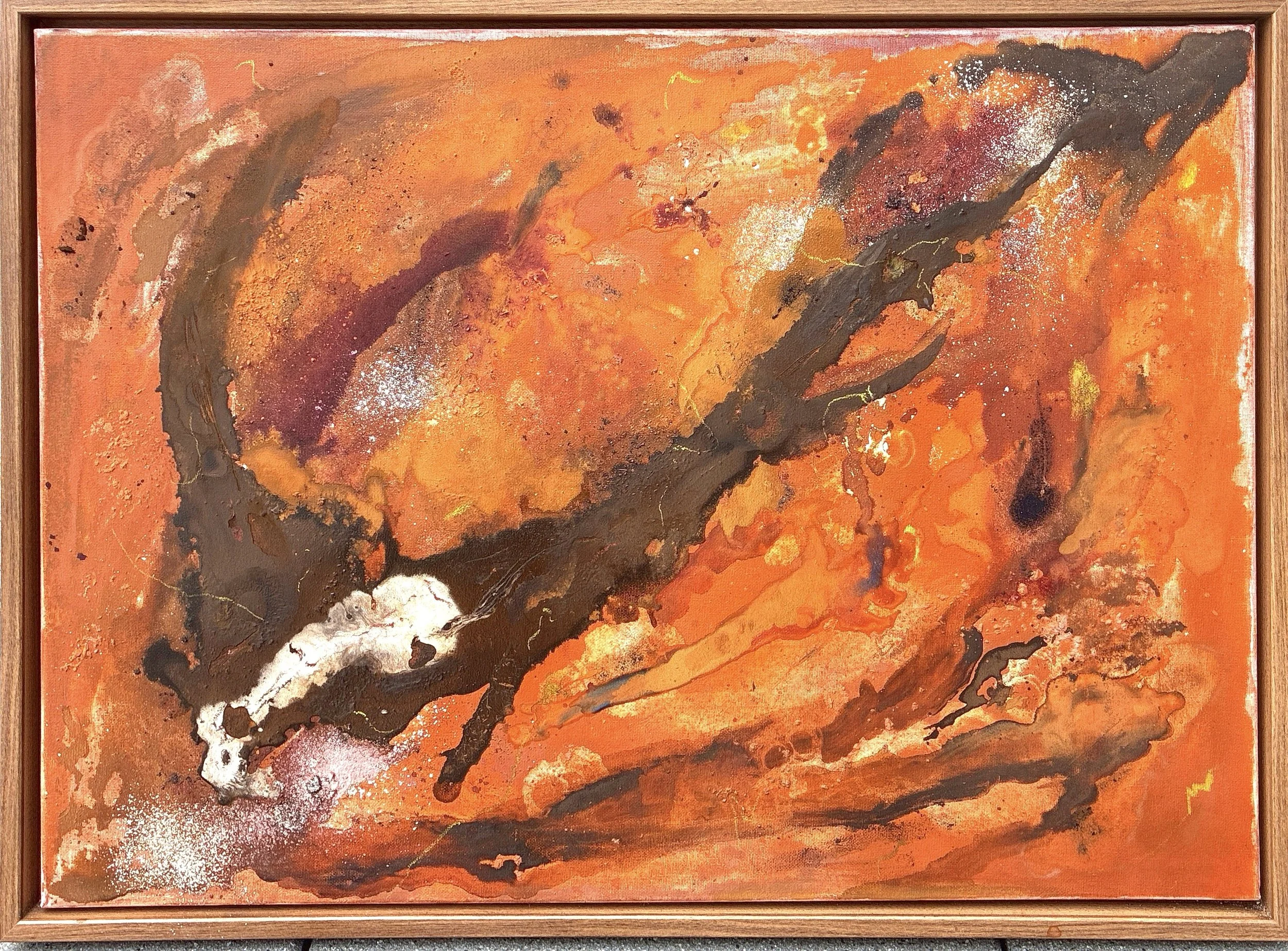
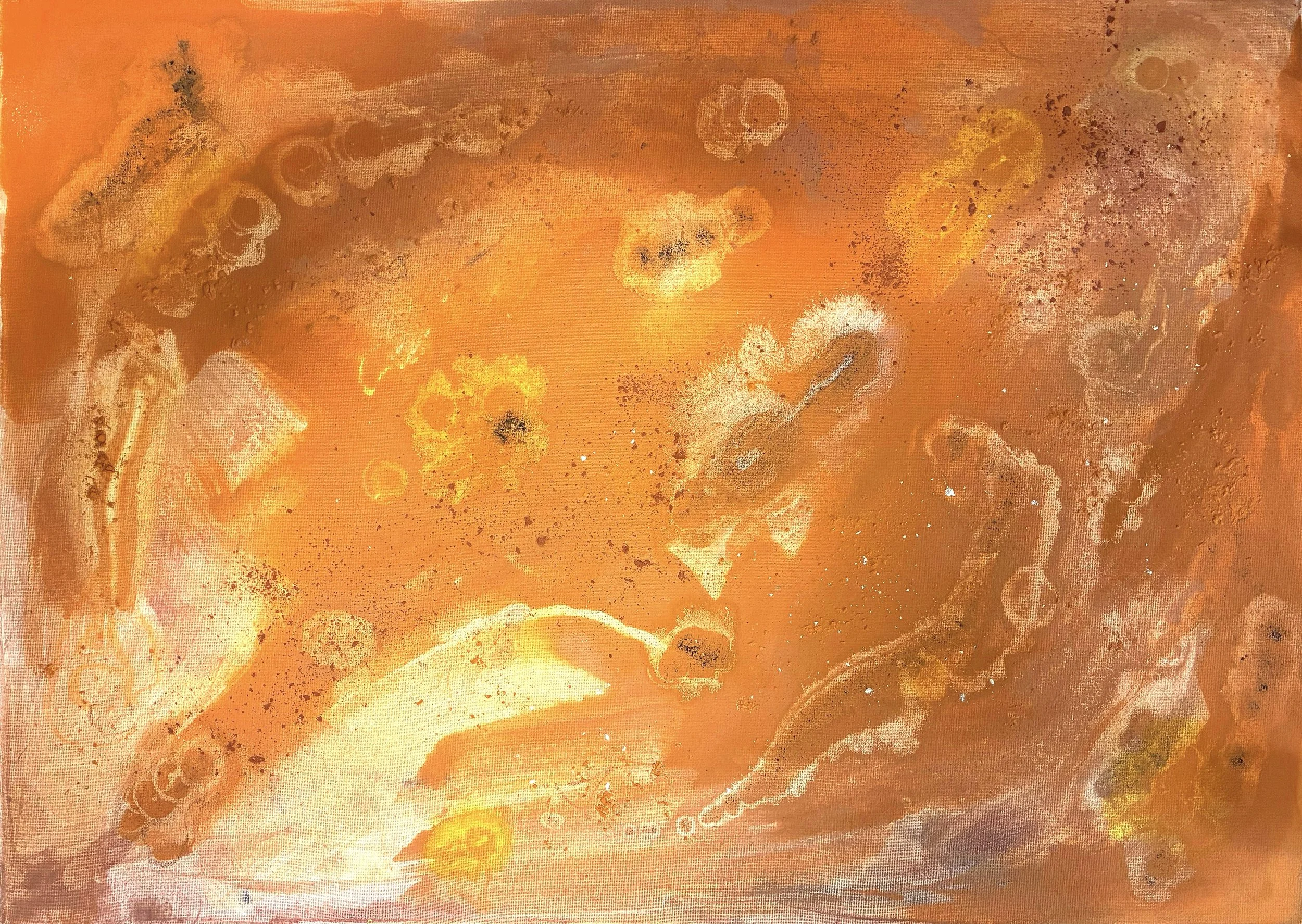
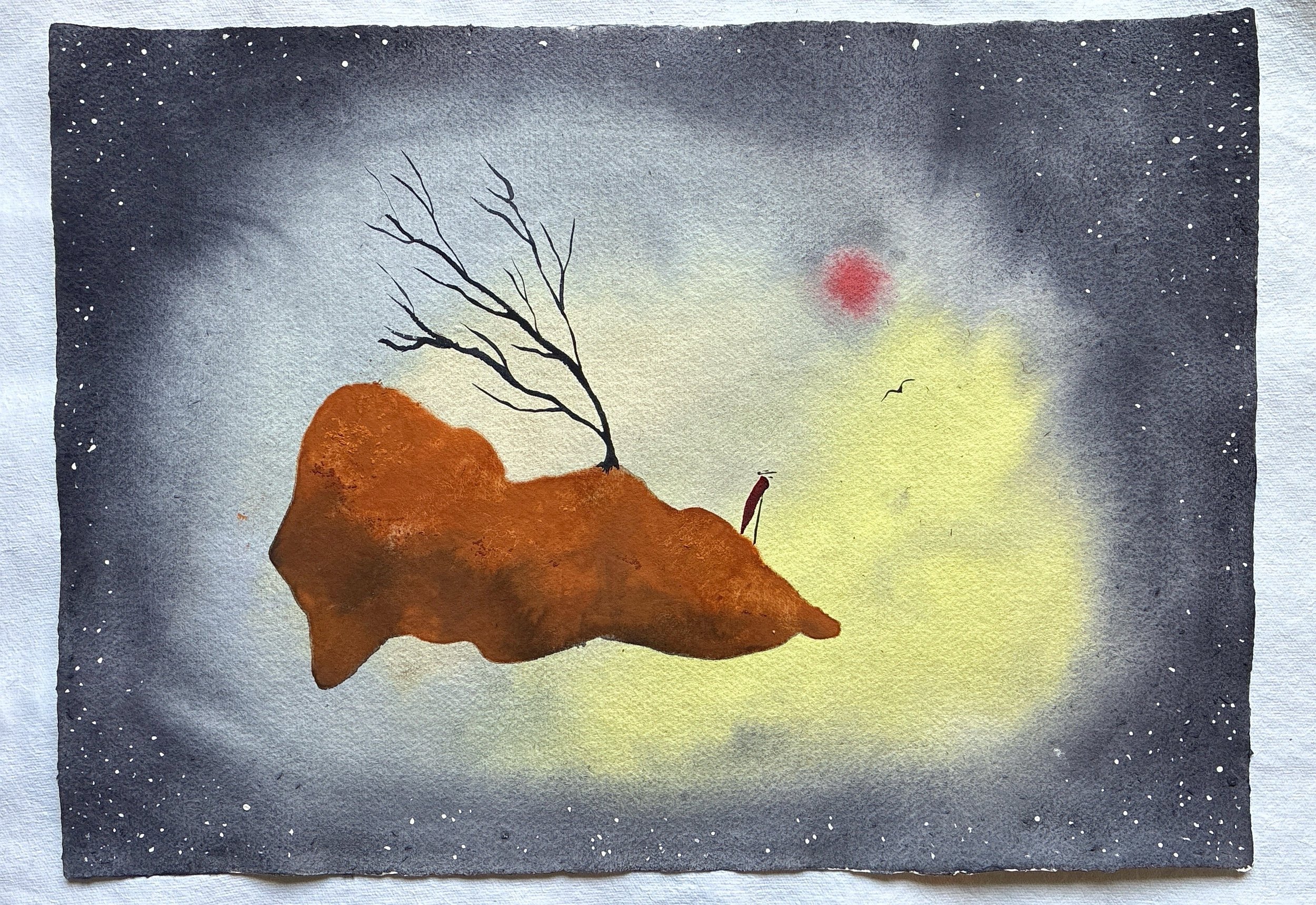
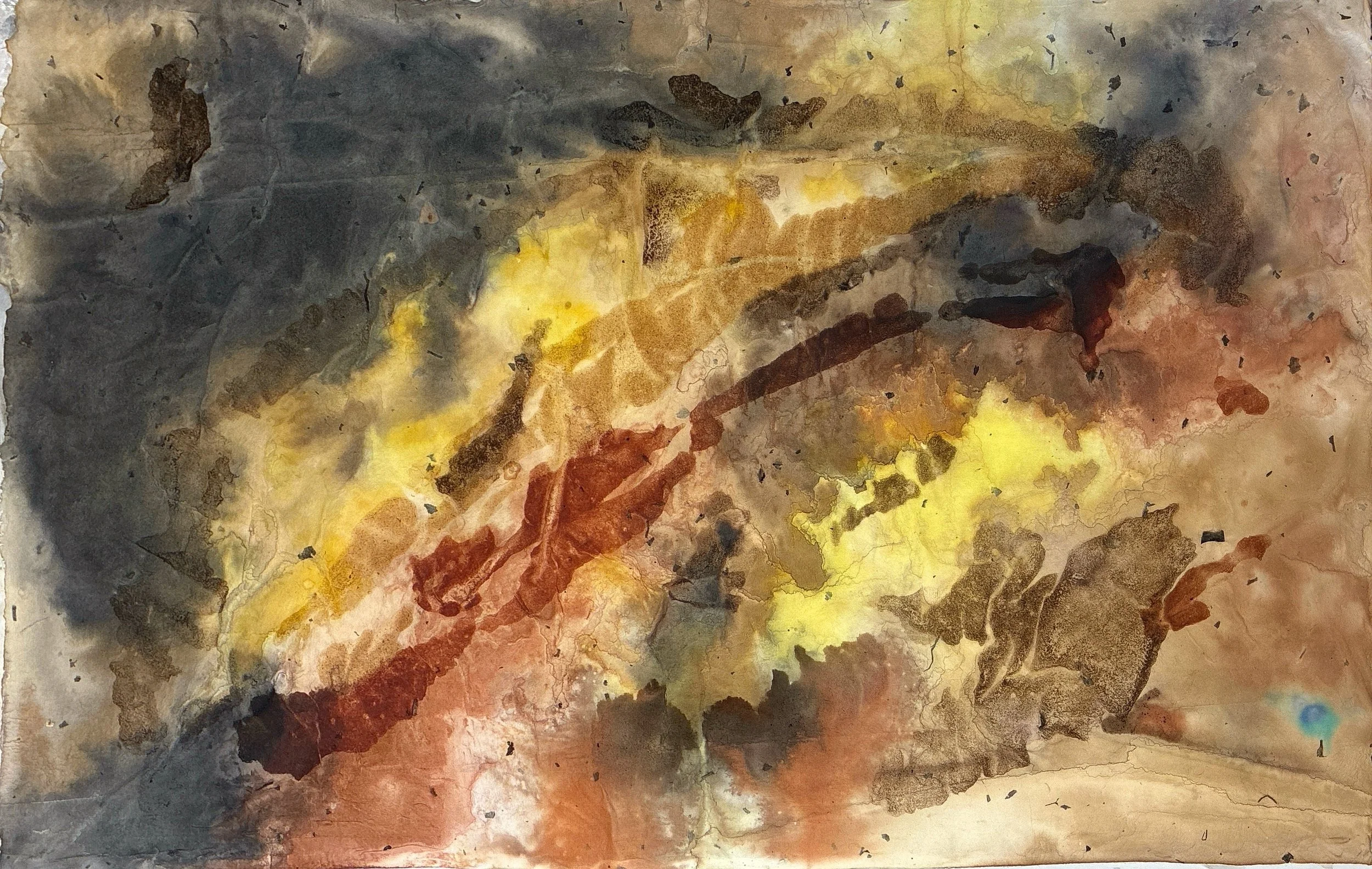
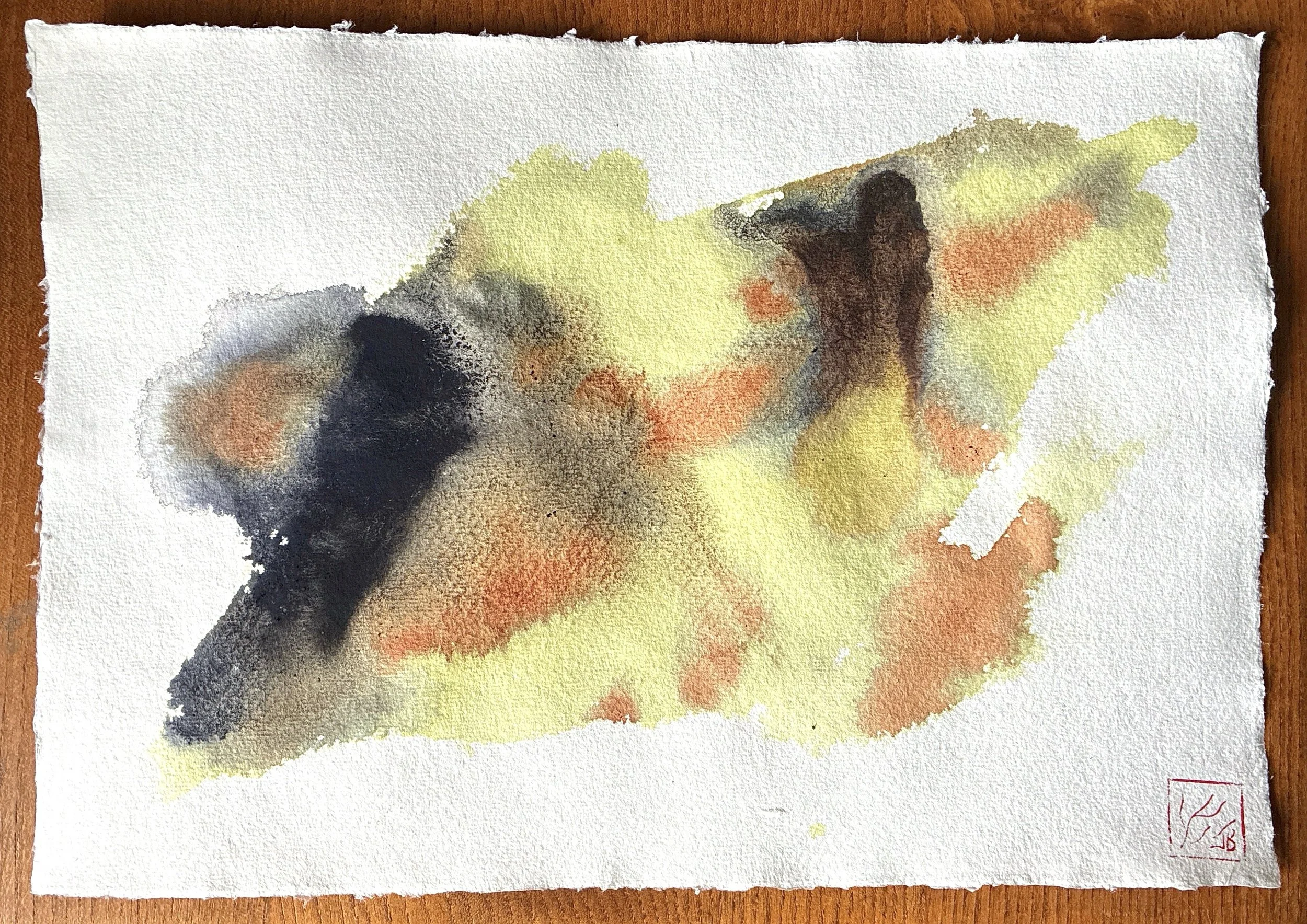
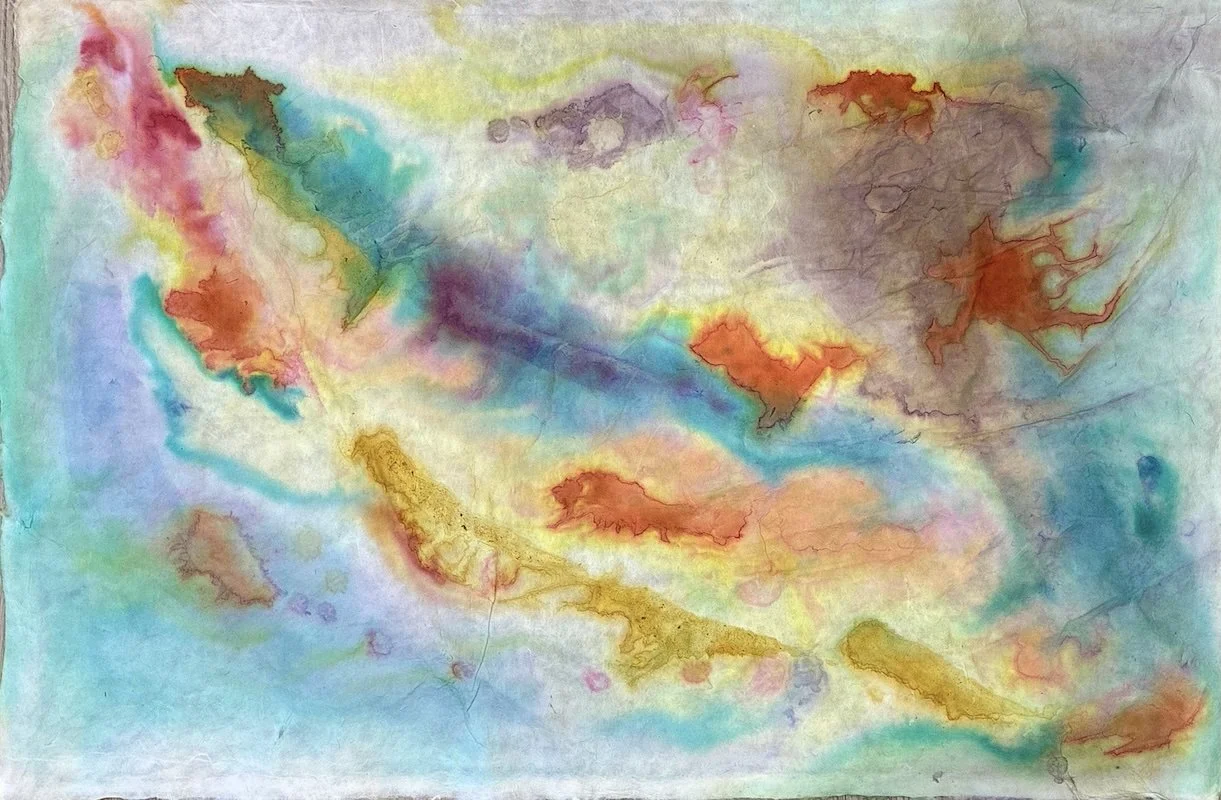
Some - only some - of what I make, I put out into the world. I’ve started posting some ink studies on my webpage. The ones I post are all - I think - of value. None are perfect, for ‘perfection’ is meaningless.
There are many other ink studies on my pile of scrap paper. Not wasted, part of the sediment of practice I rely on when I start ‘making a picture’.
The intention of my practice(s) is the development of competence.
I try to apply the same self-discipline I have in painting to writing and making music. Occasionally I manage - but I try to be gentle. For me any practice based on ‘forcing’ or ‘obligation’ is neither sustainable nor healthy.
I make because I love to make.
By making, I get better at making.
Sometimes what I make speaks (or I believe could speak) to others. That’s when my practice becomes product. That’s where love generates income.
If you want to listen to some of the music I’ve made over the years, it’s here: https://soundcloud.com/johnbritton1964
If you want to see the ink studies I’ve put into the world, they’re here:
And if you’d like to receive this sort of occasional newsletter, please sign up below.
How’s your practice these days? I’d genuinely love to hear!
Warmest love to you
John
Borrowed Time
Time I borrow from myself can never be paid back…..
I heard a phrase last night, one that’s used round here to describe the week or so at the start of April; ‘the borrowed days’.
It refers to the wild, ‘bad’, weather which seems to come along this time of year. We expect - when April comes - that the bitter, cold months, the endless dark, are finally behind us. Then comes a blast of wet, windy, dull weather which dulls even the light of midday. March, unwilling to give up its grip, borrows some days from April.
We’re expecting that this weekend. Storms are promised. Strong winds and rain. Perhaps even snow. Winter, like an unreconciled old man, raging against its dying.
It made me wonder about ‘borrowed time’.
I wonder if, for years, I borrowed time from my future, doing to my health things that have reduced the time I’ll have on earth.
Did I obsessively prioritise one part of my ‘self’ over all possible others? Borrowing who I am from who I could have been?
Do we do all do that? Borrow from the future (or from possible futures) to serve the present?
Last night I dreamed about directing a large ensemble show. I haven’t directed since the pandemic, and in my dream I found that, though my skills and weaknesses were intact after all this time, the work was an obligation, not a joy. I did the job and applied my skills, but my joy in the process had gone.
Is that a definition of borrowed time? That one is filling ones days only with obligation, hoping it will make some future time ‘better’? Is that the present borrowing from the future?
Yesterday I had a cardiac stress test - wired up to machines and walking on a treadmill, watching my blood pressure rise and my pulse accelerate. My heart seems to be doing well enough, considering it’s not the healthiest of hearts.
I had a heart attack a few years ago, and were I not in a functioning (if struggling) heath care system, living in the era of modern medicine, then probably I’d be dead by now.
Am I on borrowed time?
If I am, who or what am I borrowing from?
Must I pay interest?
When do I pay everything back?
Questions without answers. That’s OK. Not all questions need answers. Some just stimulate curiosity and provoke a refocusing.
What I come to realise - only for myself, I don’t presume to speak for anyone else - is that ‘borrowed time’ is time not spent with intention or reward.
Work is not time ‘borrowed’ from leisure, if the work serves an intention, or yields a soul-reward.
The present is not borrowed from the future if it is fully lived.
The present is not borrowed from the past if lived with full-spectrum engagement and joy.
Aspects of my ‘self’ are not borrowed from my potential if they are nurtured consciously and make me feel more, and more richly, alive and connected to this fleeting world.
Dreaming of directing a play I realised I was not enjoying it because, in the dream, I wanted to be doing something else.
There was no good intention. No intrinsic reward. No point.
I was borrowing time from myself, building up a debt that could never be repaid. Borrowing from what could be to do something with no point.
Waking, I decide to spend today doing things that have meaning.
I send you my warmest wishes
John
The unfamiliar is familiar to a artist
I stepped into the world of the corporate elite.
Here’s why it did not worry me, being there…..
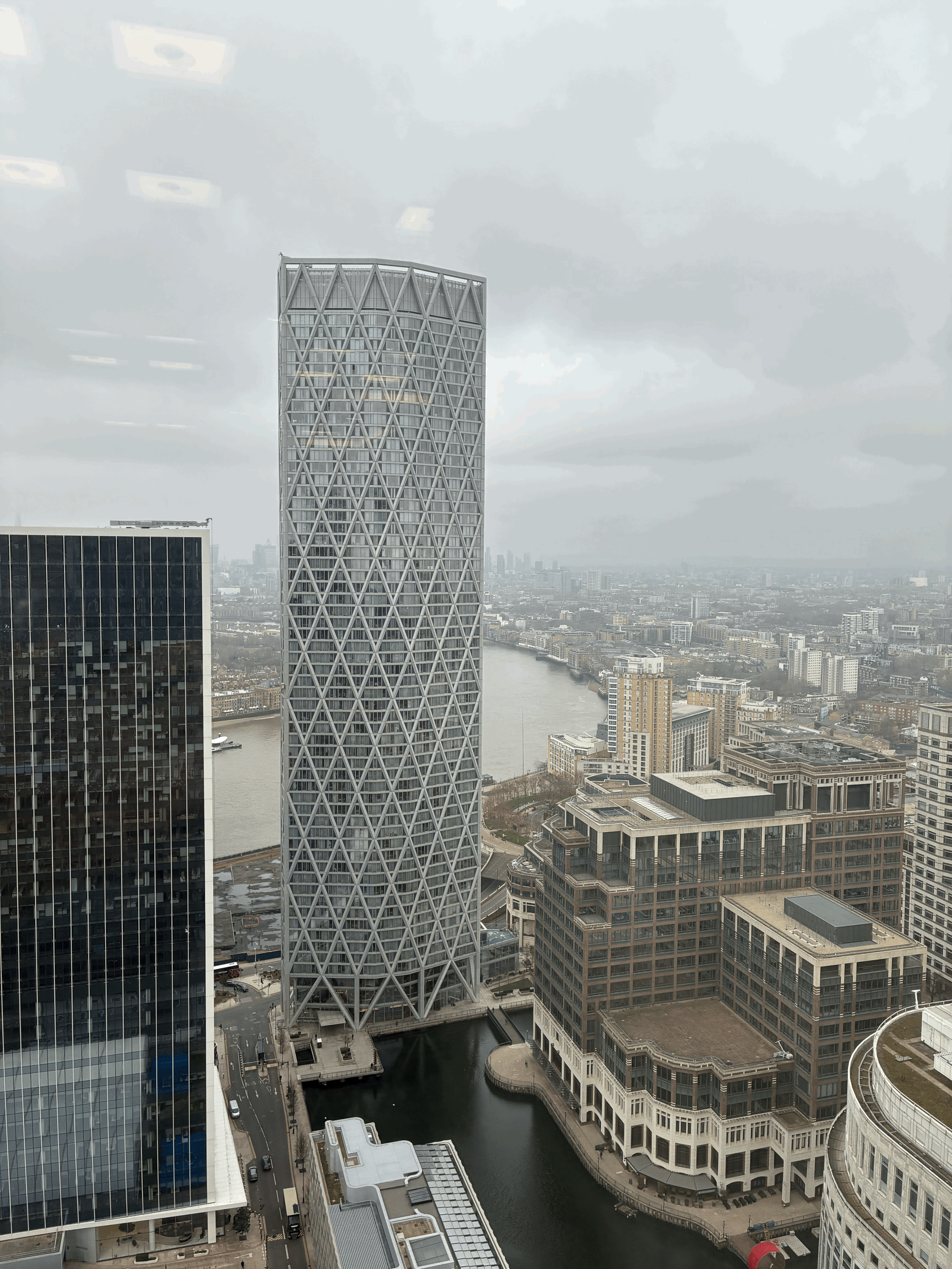
A couple of weeks ago I gave a speech at one of the world’s biggest banks. Around 30 attended in person. Another 1700 joined the livestream from the Asia-Pacific, Europe, Africa, and the Americas.
It was an unfamiliar world for me, more accustomed as I am, these days at least, to the quiet of my art studio, and the occasional mayhem of a primary school classroom.
I’ve been an actor, though. Unfamiliar worlds are familiar to me.
It’s complicated, navigating new worlds. I’m often critical of our economic system (and the political system it enables). Then I find myself at the heart of the system I criticise.
I’m not perturbed by that complication - for two main reasons.
Firstly, I need to live. I never condemn someone for putting food on their table. Just because I’m critical of the system doesn’t mean I am not part of it. After all, I’m critical of our dependence on oil, yet still drive a car.
Secondly, I’ve been working and writing for the last years about What Actors Know - the core knowledge creatives and performers have, about how to live happier, richer, more sustainable and creative lives.
The heart of my work on What Actors Know is simply this: when actors come together to create and perform, we go through processes of self-development, we connect with others, we develop clear strategies for communication, we learn to be flexible, adaptable and responsive in the face of the unexpected, we are playful and creative. These are core skills for creating community, and for being a healthy empowered individual within communities.
They’re also skills which are increasingly devalued in our culture of monetised distraction and algorithmic outrage.
When I bring the insights of What Actors Know to an organisation - a massive global entity or a small community group - I can make the daily experience of those within that organisation a little better. That benefits the organisations themselves of course, but my concern is primarily with the lived experience of the humans who work inside the system.
It took a couple of months to prepare the presentation I gave in London. Doing so enabled me step back a little from the work I’m doing on What Actors Know to get an overview. I’m trying to write a book about this work, and can get a little overwhelmed - partly by the breadth of the research needed, and partly because I doubt it will ever get published. That’s another story though.
My presentation was called; ‘Being Ensemble: Fearless Humans in Brilliant Teams’. At least, I thought it was. A week before I discovered it had been presented to attendees as ‘Courage in Times of Change’. No matter. Brilliant teams - ensemble - are the foundation of courage and navigating change. Though the romantic western myth is of the brave-though-isolated hero, the reality is that we thrive, evolve, and innovate in the mutually supportive environment of the collective.
In a functioning collective each individual is empowered and has agency. Each is also in full and unconditional support of others. It’s individualism PLUS.
In ensemble we become more that an isolated self, we become an interconnected self - a self-with-others.
Though the heart of the presentation was my research and experience in ‘ensemble’ it was interesting to see how the other three strands of my work appeared as well: presence, improvisation, and self-development.
Presence is the foundation. Put simply it’s our ability to quieten distraction and attend to what we’re doing, and who we’re with. It’s learning to direct our attention towards reality. Unless we do that, we operate from the (often toxic) stories we tell ourselves, or that others have told us.
Improvisation is the core human skill - it’s our capacity to respond flexibly and appropriately to the uncertainty of the world. However much we try to convince ourselves otherwise, we’re not in control. Reality is stronger than our plans. Plans and intentions are great. The ability to respond to the unexpected is greater.
Self-development is the heart of growth. Though I ‘train ensemble’, we can never actually train a group. We can train the individuals within a group. In fact, we can’t even do that. We can only create space and encouragement for the individuals to train and develop themselves.
Presence. Improvisation. Self-development. Ensemble.
Core skills that emerge from a lifetime in performance. They are, none of them, skills or abilities we need to buy from someone else, or pay a subscription to some tech-bro in order to access. They’re capacities we’re born with, and that we can access and develop whenever we’re ready to.
The response to the speech I gave was strong - both in the room and in conversations within the organisation in the following weeks. I believe I enabled people to feel more empowered and confident in their daily work. I encouraged executives, managers and leaders to examine their systems and relationships, and align them more fully with human community values.
That was my intention.
In an increasingly inhuman world, I’m unswervingly committed to our human/animal ability to be beautiful inhabitants of this planet.
As I said towards the end of the speech:
‘Everything - all the technological innovations we spend our lives drowning under, or the endless obligations we struggle to meet - every one of them is ultimately meaningless, unless we recommit first and foremost to being human.
Gloriously human, messily human, and none the worse for it.’
Whatever you’re up to these days, I hope you can pause and remember that you are a wonder, and that we share a wonderful world. Then, do what you can to stop our world being further damaged by those who’ve lost touch with their humanity.